Top 7-Learner Legal Bikes with the Best Power to Weight Ratio (LAMS/A2)
Stuck on your P-Plates? You do not have to drive a slow bike. These 7 motorcycles push the legal power to weight limit to the absolute maximum.
Azeem Iqbal
Performance Analyst
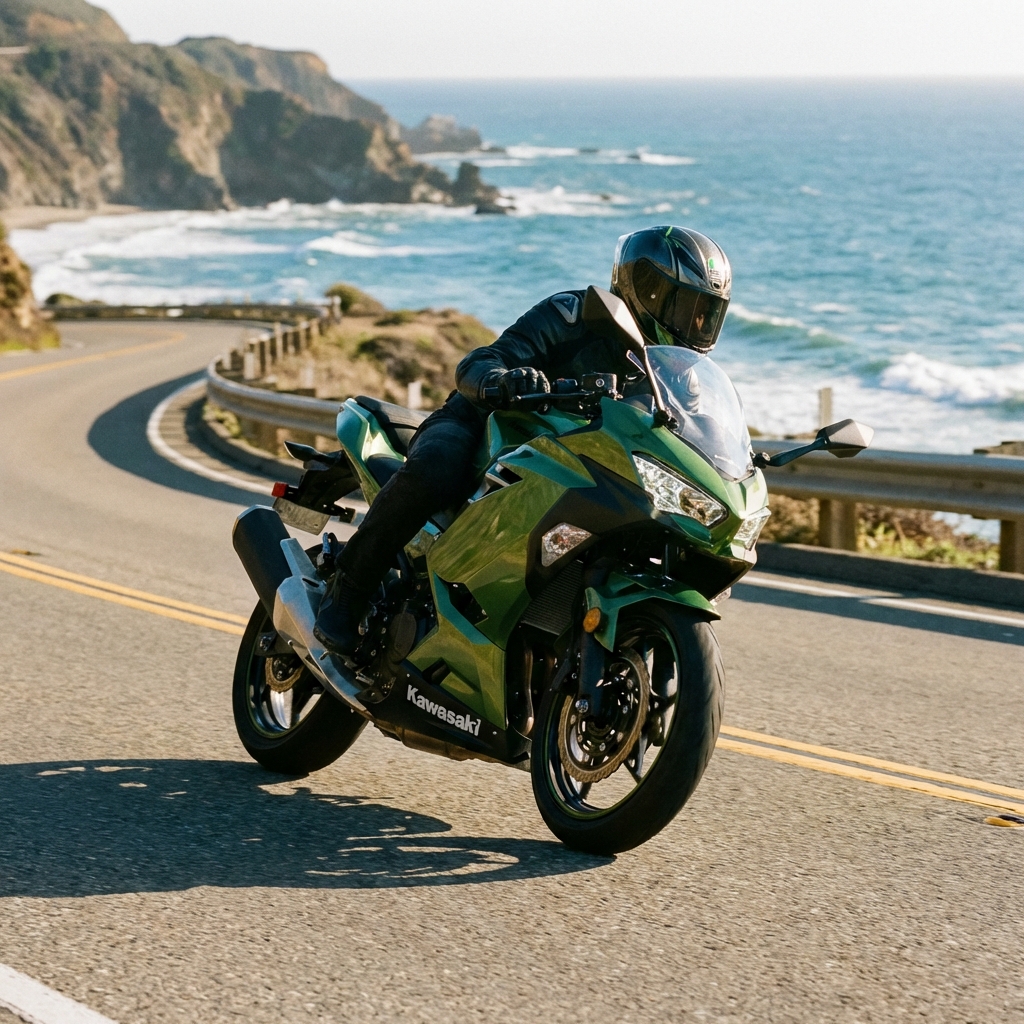
Table of Contents
Top 7 Learner Legal Bikes with the Best Power to Weight Ratio (LAMS/A2)
First impressions matter. For many new riders, the “Learner” period feels like a sentence to ride boring, underpowered mopeds.
But thanks to the LAMS (Australia/NZ) and A2 (Europe) licensing systems, this is no longer true. The law doesn’t just limit power; it limits Power to Weight Ratio. This means manufacturers have built machines that sit right on the edge of the legal limit (150 kW/t in Australia), offering thrilling performance that can embarrass many cars.
If you are looking to maximize your speed while rocking an L-Plate, these are the bikes you need to know about.
1. KTM 390 Duke
- Engine: 373cc Single Cylinder
- Power: 32 kW (44 hp)
- Wet Weight: ~150 kg
- The Verdict: The “Corner Rocket.” Because it is so violently light, the 390 Duke feels faster than the numbers suggest. It hits the power-to-weight limit by being a featherweight, not by having a massive engine.
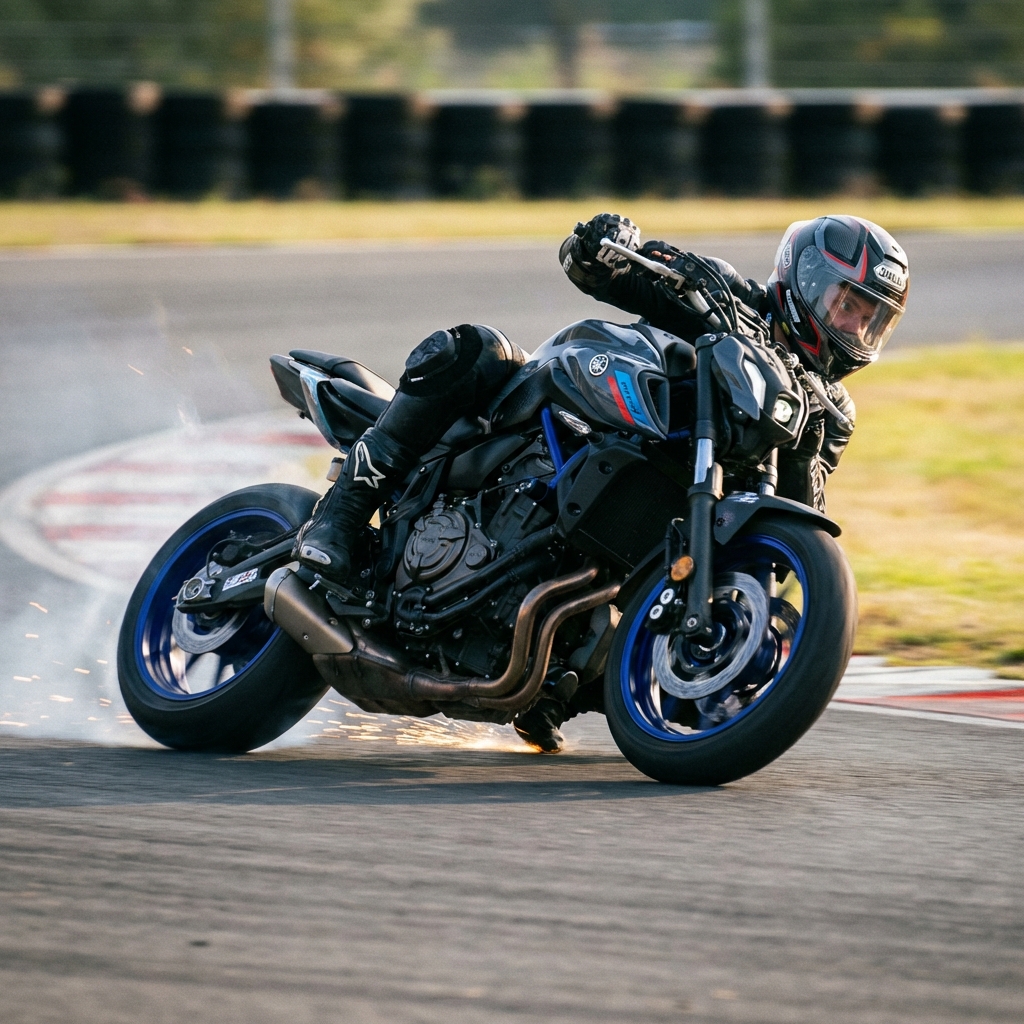
2. Yamaha MT-07 (LAMS Model)
- Engine: 655cc Parallel Twin (270-degree crank)
- Power: 38 kW (52 hp) - Restricted
- Wet Weight: ~184 kg
- The Verdict: The Torque King. While the peak power is restricted, the torque down low is massive. It wheelies on command (not that you should…) and sounds like a V8. It’s the most “big bike” feeling you can get on a learner license.
3. Kawasaki Ninja 400
- Engine: 399cc Parallel Twin
- Power: 35 kW (45 hp)
- Wet Weight: ~168 kg
- The Verdict: The Track Weapon. The Ninja 400 dominates the “Supersport 300” racing class for a reason. It is perfectly balanced. It has enough highway power to be comfortable but is small enough to learn knee-down skills safely.
4. Triumph Trident 660 (LAMS)
- Engine: 660cc Inline Triple
- Power: 39.8 kW (53 hp) - Restricted
- Wet Weight: ~189 kg
- The Verdict: The Premium Choice. It’s a localized British roadster with an inline-triple engine that screams. It sits right at the upper limit of the LAMS capacity (660cc) and offers traction control, riding modes, and a build quality far above the entry-level class.
5. Yamaha YZF-R7 (LAMS)
- Engine: 655cc Parallel Twin (Same as MT-07)
- Power: 38 kW (52 hp)
- Wet Weight: ~188 kg
- The Verdict: The Poser’s Dream. And we mean that in a good way. It looks like a MotoGP bike. It has the aggressive ergonomics of a race bike. But underneath, it has the friendly, punchy engine of the MT-07. If you want to look fast while parked, this is the one.
6. Honda CB500F / CBR500R
- Engine: 471cc Parallel Twin
- Power: 35 kW (47 hp)
- Wet Weight: ~189 kg
- The Verdict: The Sensible Speedster. Honda designed this engine specifically to hit the A2/LAMS limit perfectly without needing restrictors. It is bulletproof, reliable, and uses every single kilowatt allowed by law.
7. Husqvarna Svartpilen 401
- Engine: 373cc Single (Same as Duke 390)
- Power: 32 kW (44 hp)
- Wet Weight: ~152 kg
- The Verdict: The Style Icon. It shares the same manic engine as the KTM 390 Duke but wraps it in a neo-retro Scrambler body. It’s light, flickable, and arguably the coolest looking learner bike on the market.
Understanding the “Restrictor” Myth
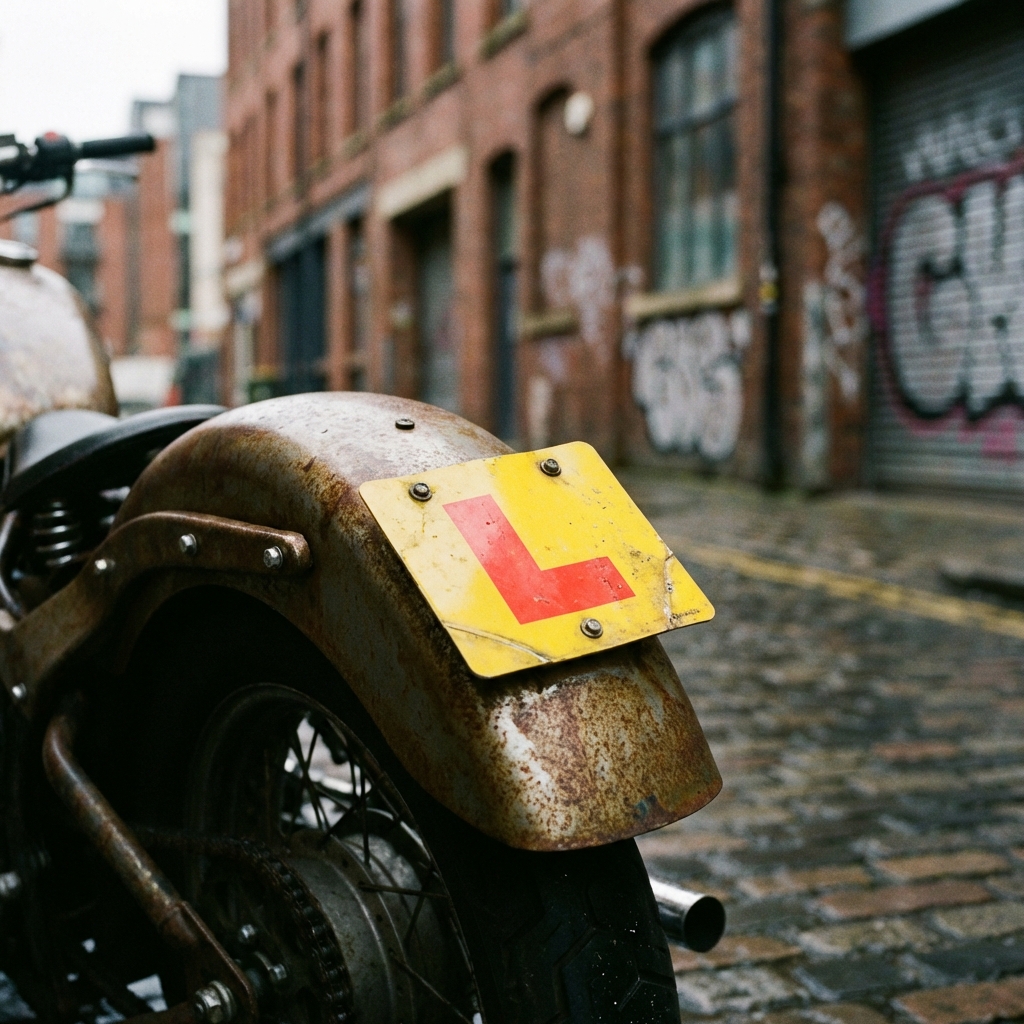
Many learners ask: “Can’t I just buy the full power version?” No. The specific Vehicle Identification Number (VIN) is registered as a LAMS model. Even if you mechanically un-restrict a LAMS bike (which is illegal), it is still registered as a LAMS bike. Conversely, you cannot ride a “Full Power” MT-07 even if you install a throttle stop, because the VIN says it’s High Output.
Conclusion
Power to Weight ratio is the defining factor of fun. A heavy 650cc restricted bike might actually be slower than a lightweight 400cc bike because of the extra mass it carries. When choosing your first machine, don’t just look at the CCs. Look at the weight. A lighter bike stops better, turns better, and accelerates harder. Ride safe!
? Frequently Asked Questions
What is the LAMS power to weight limit?
Can I derestrict a LAMS bike?
Which starter bike is the fastest?
Is the Ninja 400 faster than the R3?
Why are 650cc bikes allowed for learners?
Is a lighter bike better for learning?

About Azeem Iqbal
We are dedicated to providing accurate tools and information to help you optimize performance and understand power-to-weight metrics.