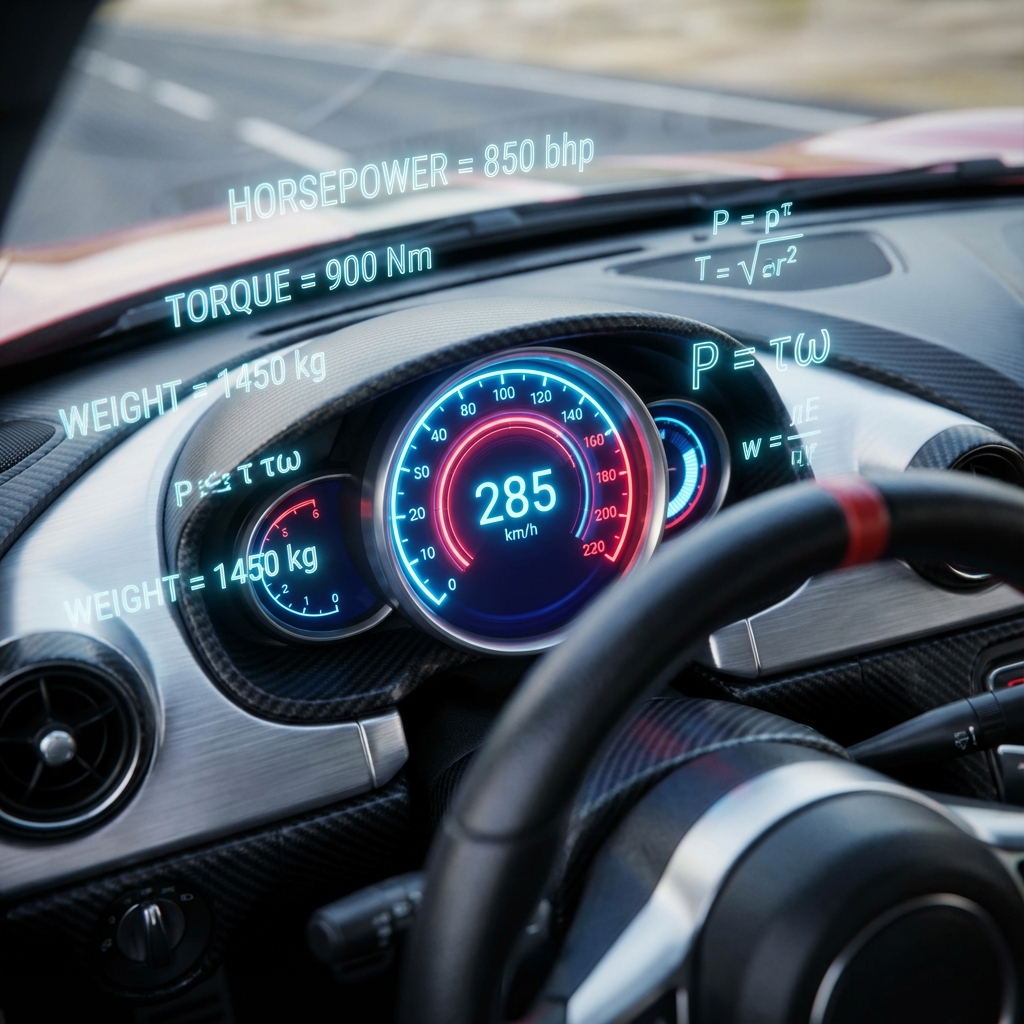
Top 10 Cars with the Best Power to Weight Ratio Under $30k
You do not need a supercar budget to experience supercar thrills. Discover the best affordable cars that prioritize lightness, handling, and pure driving dynamics.
Azeem Iqbal
Performance Analyst
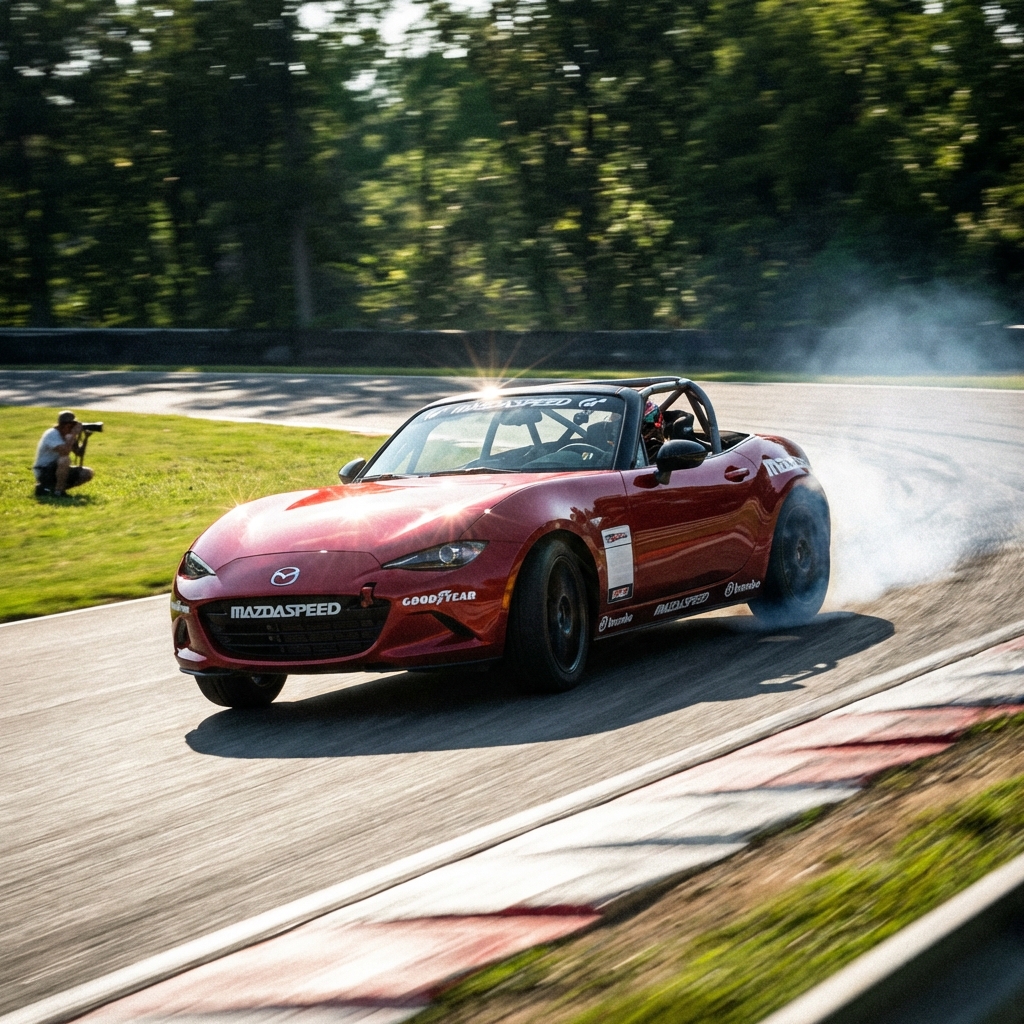
Table of Contents
- Top 10 Cars with the Best Power to Weight Ratio Under $30k
- Understanding the Metric: HP per Ton vs. Lbs per HP
- 1. Mazda MX-5 Miata (ND)
- 2. Chevrolet Corvette C5 Z06
- 3. Subaru BRZ / Toyota GR86 (2nd Gen)
- 4. Nissan 370Z
- 5. Ford Fiesta ST
- 6. Honda S2000
- Modifications: How to Improve Your Ratio
- Why Electric Cars Struggle Here
- Conclusion
Top 10 Cars with the Best Power to Weight Ratio Under $30k
In the automotive world, there is an obsession with horsepower figures. “700 HP Hellcat,” “1000 HP Plaid.” But ask any seasoned track driver or canyon carver, and they will tell you the truth: Horsepower makes you fast in a straight line. Lightness makes you fast everywhere else.
Colin Chapman, the founder of Lotus, famously said, “Simplify, then add lightness.” A light car brakes later, corners harder, and communicates more feedback to the driver. Today, we are looking at the unsung heroes of the car world—machines that offer incredible Power to Weight Ratios without breaking the bank.
Here are the best affordable platforms for pure driving enthusiasts.
Understanding the Metric: HP per Ton vs. Lbs per HP
Before we get to the list, let’s clarify the units.
- HP per Ton (Global Standard): How much power you have for every 1000kg (metric) or 2000lbs (imperial) of weight. Higher is Better.
- Lbs per HP (US Standard): How many pounds each horse has to carry. Lower is Better.
Example: A 3,000lb car with 300 HP has:
- 10 Lbs/HP (Excellent)
- 200 HP/Ton (US ton) (Very Good)
1. Mazda MX-5 Miata (ND)
- Price: ~$15k - $25k (Used/New)
- Power: 181 HP
- Weight: ~2,340 lbs
- Ratio: 12.9 Lbs/HP
The king of lightweight. The Miata doesn’t have a massive engine, but it weighs almost nothing by modern standards. With 181 HP in the ND2 generation, it hits 0-60 in just 5.7 seconds, shaming massive muscle cars on tight circuits. It is the purest expression of power-to-weight philosophy on the market.
2. Chevrolet Corvette C5 Z06
- Price: ~$25k - $30k
- Power: 405 HP
- Weight: ~3,118 lbs
- Ratio: 7.7 Lbs/HP
This is the cheat code. The C5 Z06 was built with titanium exhaust, thinner glass, and less sound deadening to save weight. Combined with a massive LS6 V8, it offers supercar-killing performance for the price of a Camry. 7.7 Lbs/HP is Ferrari territory from the early 2000s.
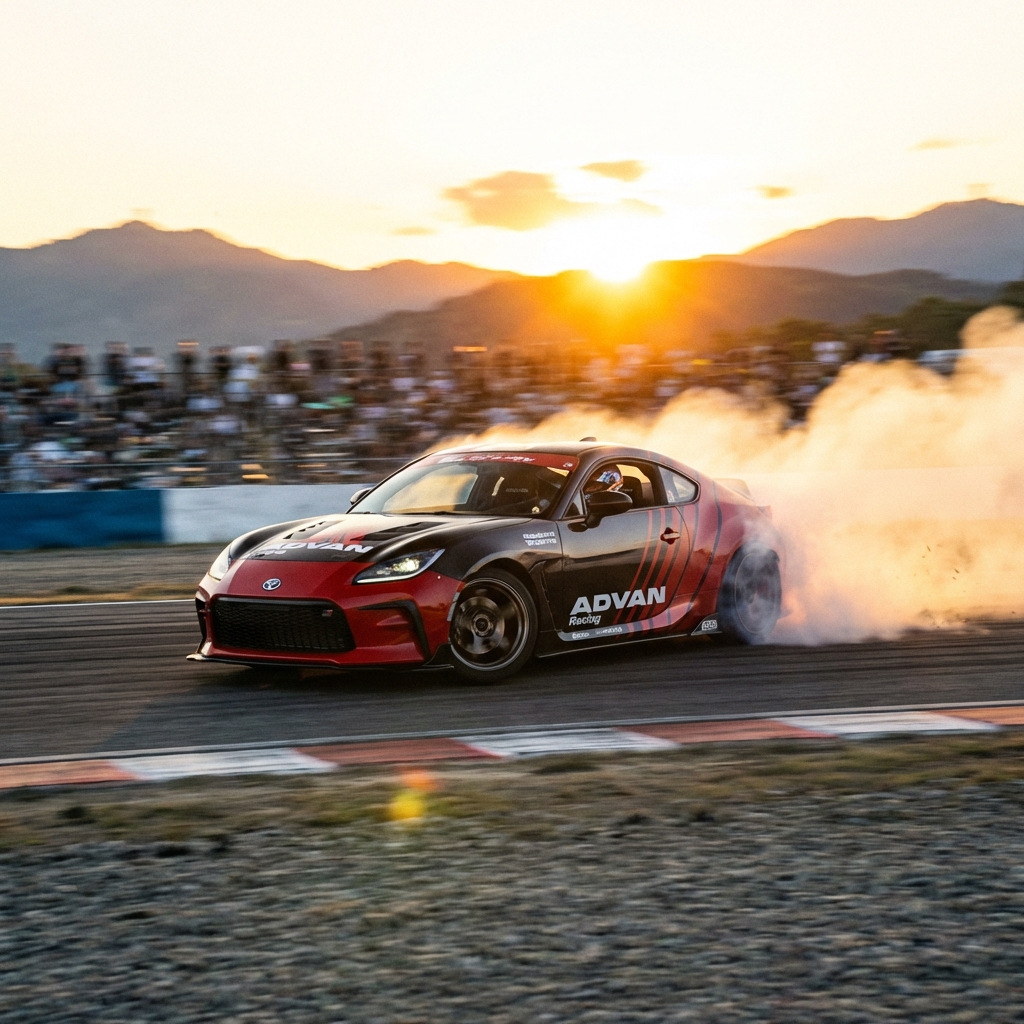
3. Subaru BRZ / Toyota GR86 (2nd Gen)
- Price: ~$28k - $32k
- Power: 228 HP
- Weight: ~2,800 lbs
- Ratio: 12.3 Lbs/HP
The “Twins” are the spiritual successors to the AE86. While not as light as a Miata, they offer a stiffer chassis and a usable back seat. The second generation’s bump to 2.4L and 228 HP fixed the “torque dip” and made this a genuinely quick car.
4. Nissan 370Z
- Price: ~$18k - $25k
- Power: 332 HP
- Weight: ~3,300 lbs
- Ratio: 9.9 Lbs/HP
Often overlooked because of its age, the 370Z is a powerhouse. The VQ37 engine provides massive torque. While it’s heavier than the Miata/BRZ, the sheer power output pushes it into the sub-10 lbs/hp club, making it a serious threat on the track.
5. Ford Fiesta ST
- Price: ~$12k - $18k
- Power: 197 HP
- Weight: ~2,700 lbs
- Ratio: 13.7 Lbs/HP
Don’t let the hatchback shape fool you. The Fiesta ST is a riot. It’s light, turbo-charged, and geared for acceleration. It feels much faster than the numbers suggest because of its torque delivery and flyweight chassis.
6. Honda S2000
- Price: ~$25k - $30k (High mileage)
- Power: 240 HP
- Weight: ~2,800 lbs
- Ratio: 11.6 Lbs/HP
Prices are rising, but you can still find distinct examples. The S2000 has one of the greatest engines ever made (F20C). It requires high revs to access the power, but once you are in VTEC, the lightweight chassis dances.
Modifications: How to Improve Your Ratio
If you can’t afford a faster car, make your current car lighter. “Adding lightness” is free.
Stage 1: The “Daily Driver” Diet
- Spare Tire & Jack: Remove them (use a patch kit/AAA). Saves ~40 lbs.
- Lighter Wheels: Unsprung weight is critical. Saving 5lbs per corner feels like saving 20lbs of static weight.
- Battery: Switch to a Lithium-Ion automotive battery. Saves ~20-30 lbs instantly.
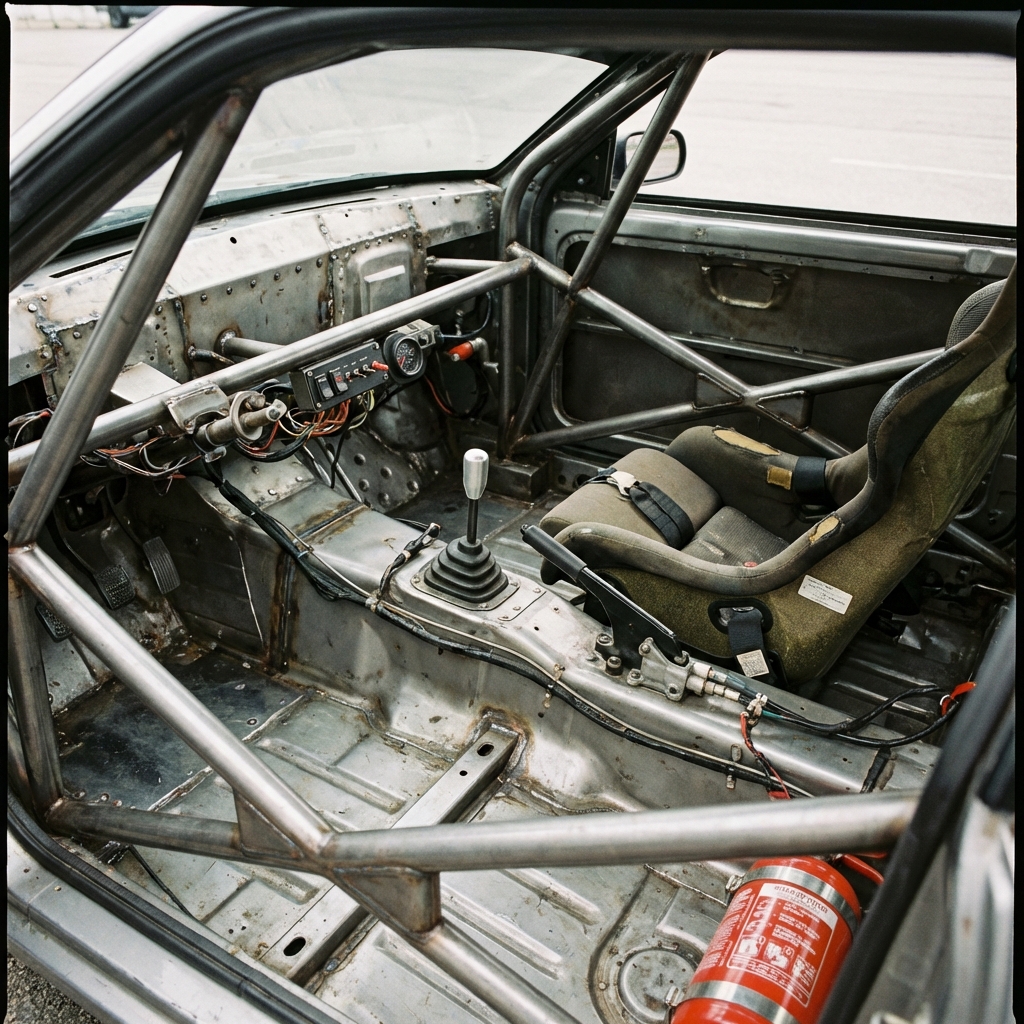
Stage 2: The “Weekend Warrior” Diet
- Rear Seats: If you don’t use them, lose them. Saves ~30-50 lbs.
- Exhaust: Stock exhausts are heavy steel. A titanium or stainless aftermarket system can save 20-40 lbs.
- Bucket Seats: Stock power seats are incredibly heavy. Racing bucket seats can save 50+ lbs per seat.
Why Electric Cars Struggle Here
We must address the elephant in the room: EVs. A Tesla Model 3 Performance has ~500 HP. But it weighs ~4,000 lbs.
- Ratio: ~8 Lbs/HP. It is fast, incredibly fast. But the inertia is high. Inertia resists turning and resists stopping. This is why a lightweight Miata often feels more “fun” and agile than a heavy EV, even if the EV wins the drag race. Power to weight gives you acceleration, but Weight dictates physics.
Conclusion
In a world of bloating crossover SUVs and heavy EVs, these lightweight heroes are becoming rare. If you want to experience the true joy of driving—the feeling of a car responding instantly to your inputs—stop looking at just the horsepower number. Look at the weight. Calculate the ratio. The result might surprise you.
? Frequently Asked Questions
What is a good power to weight ratio for a street car?
Why is lightness better than horsepower?
Is the Subaru BRZ underpowered?
How can I improve my car's power to weight ratio?
HP per Ton vs. Lbs per HP?
Are electric cars good for power to weight?

About Azeem Iqbal
We are dedicated to providing accurate tools and information to help you optimize performance and understand power-to-weight metrics.