Human Power to Weight Ratio: Rowing, Running, and Lifting
Power to weight ratio is not just for cars. It is the defining metric for rowers, runners, and powerlifters. We break down the math of human performance.
Azeem Iqbal
Performance Analyst

Human Power to Weight Ratio: Rowing, Running, and Lifting
When we talk about Power to Weight Ratio, we usually picture Ferraris or Tour de France cyclists. But the same physics apply to almost every athletic endeavor. Whether you are pulling an oar, squatting a barbell, or running a marathon, the relationship between your engine (muscle) and your chassis (body mass) dictates your success.
Rowing: The Erg vs. The Water
Rowing is unique because we have two different environments: the indoor rower (Ergometer) and the boat.
On the Erg
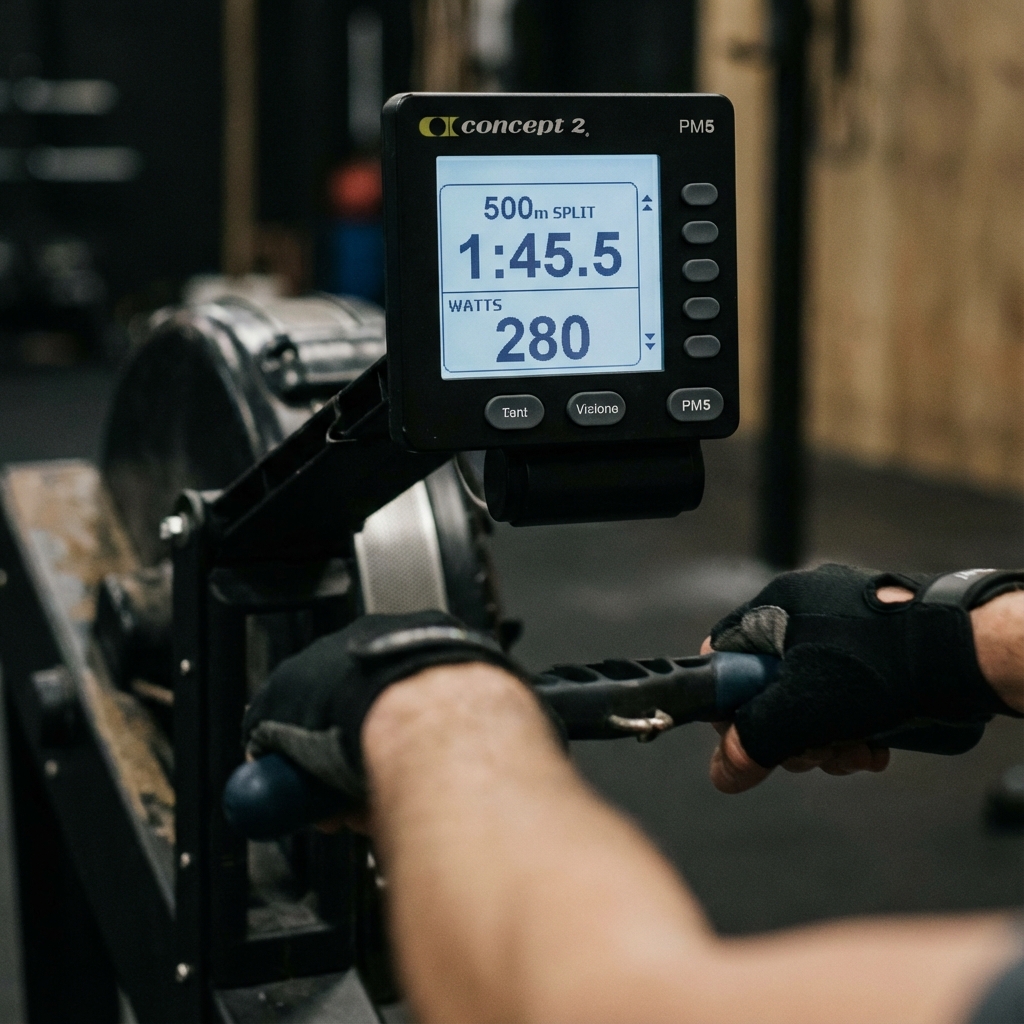
Here, absolute power rules. The machine doesn’t care how heavy you are; it only measures how hard you spin the flywheel. A 250lb giant pulling 400 watts will beat a 150lb rower pulling 350 watts every time.
On the Water
Physics strikes back. The boat sits in the water. The heavier the crew, the lower the boat sits, creating more drag.
- The 250lb rower causes more drag than the 150lb rower.
- If the big rower can’t produce enough extra power to overcome the extra drag he creates, the smaller, more efficient rower might actually be faster on the water.
- Gold Standard: Elite lightweight rowers often pull 5.5 - 6.0 Watts/kg for 2000m.
Weightlifting: The Great Equalizer
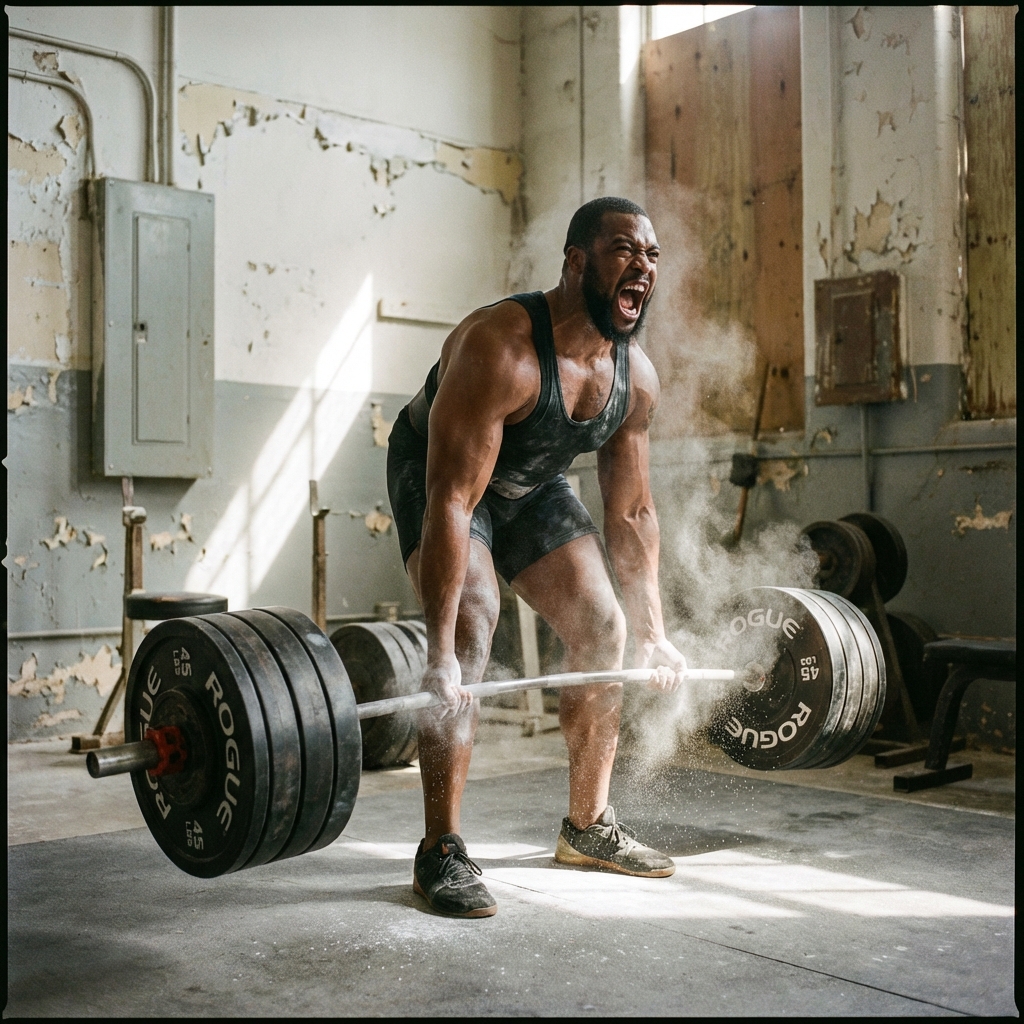
How do you compare a 130lb lifter Bench Pressing 250lbs against a 250lb lifter Bench Pressing 350lbs? The big guy lifted more weight, but the little guy lifted nearly 2x his bodyweight.
Powerlifting uses formulas like Wilks or IPF Points to calculate a “relative strength” score.
- These are essentially advanced power-to-weight calculators.
- They allow a 60kg female lifter to compete directly against a 100kg male lifter on a leaderboard.
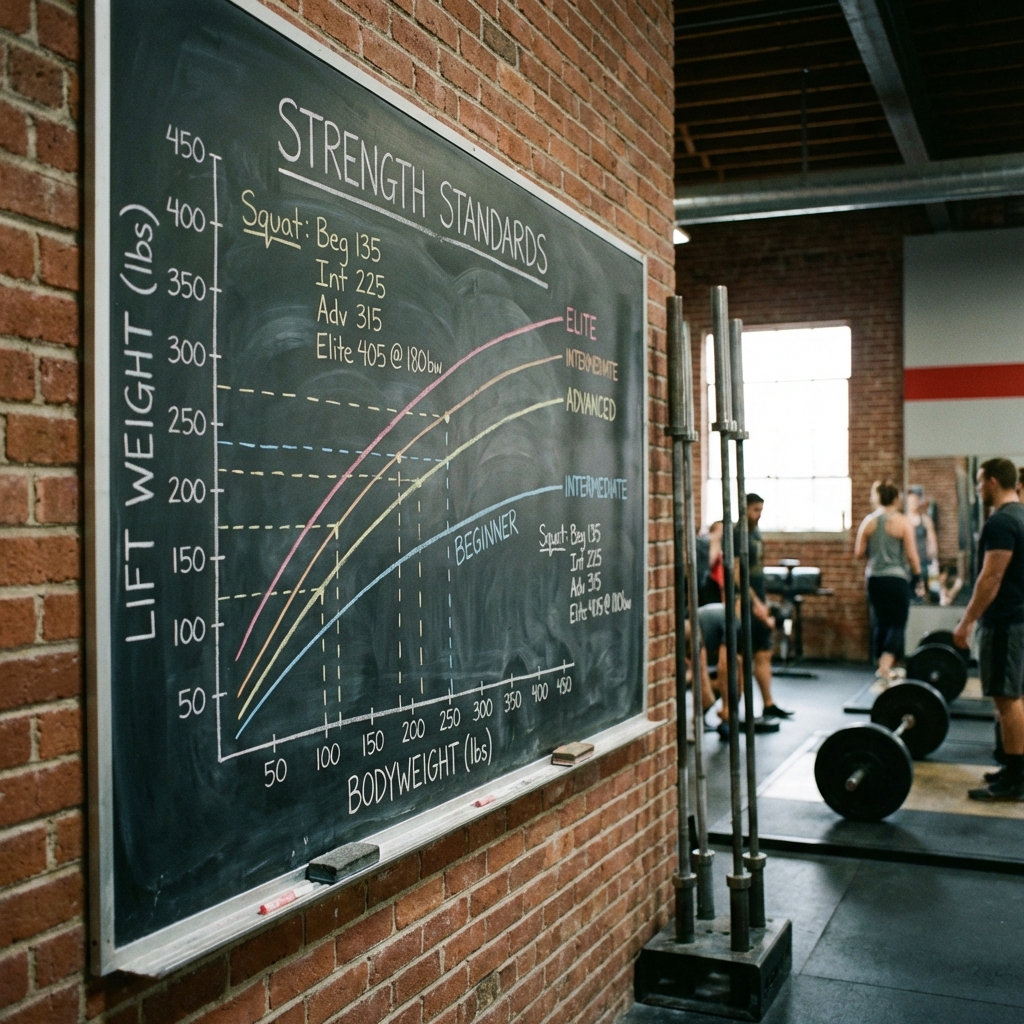
Strength Standards (Multiples of Bodyweight)
A common way to measure gym progress is by bodyweight multiples:
- Squat: 1.5x BW (Intermediate) / 2.0x BW (Advanced)
- Bench: 1.0x BW (Intermediate) / 1.5x BW (Advanced)
- Deadlift: 2.0x BW (Intermediate) / 2.5x BW (Advanced)
Running: Fighting Gravity
Running is arguably the purest test of power-to-weight. Unlike cycling (where gears help) or rowing (where buoyant boats help), running is 100% weight bearing.
- VO2 Max: This metric is measured in
ml/kg/min. Note the/kg. It is a relative metric. - Economy: For every extra kilogram of non-functional mass (fat) you carry, your energy cost per mile increases roughly 1%.
- The 2-Second Rule: A general rule of thumb is that for every pound lost (of fat), you can shave ~2 seconds per mile off your pace.
Conclusion
Regardless of your sport, improving your power-to-weight ratio is usually the path to a Personal Best. But remember: functional mass (muscle) creates power. Non-functional mass (fat) creates drag. The goal is not just weight loss—it is optimization.
? Frequently Asked Questions
Does drag factor matter in rowing?
What is a good Wilks Score?
Why do lighter runners run faster?
Is BMI a good indicator of athletic potential?
How can I calculate my running power?

About Azeem Iqbal
We are dedicated to providing accurate tools and information to help you optimize performance and understand power-to-weight metrics.