LAMS & P-Plate Power Restrictions: A Complete Guide (Australia)
Navigating the 130 kW/t rule, approved motorcycles, and P-Plate restrictions in Australia. Ensure your vehicle is legal in NSW, QLD, VIC, and beyond.
Azeem Iqbal
Performance Analyst
LAMS & P-Plate Power Restrictions: A Complete Guide (Australia)
For young drivers and riders in Australia, getting your license is a rite of passage. But before you go out and buy that twin-turbo Supra or R1, you need to understand the strict power restrictions that apply to provisional drivers. Gone are the days of blanket bans on V8s; today, it’s all about the Power to Weight Ratio (PWR).
This guide explains the 130 kW/t car limit, the LAMS motorcycle scheme, and how to verify if your dream ride is legal.
The 130 kW/t Rule (Cars)
In most Australian states—including Queensland (QLD), New South Wales (NSW), Victoria (VIC), and South Australia (SA)—high-performance vehicle restrictions for P1 and P2 drivers are based on a specific calculation.
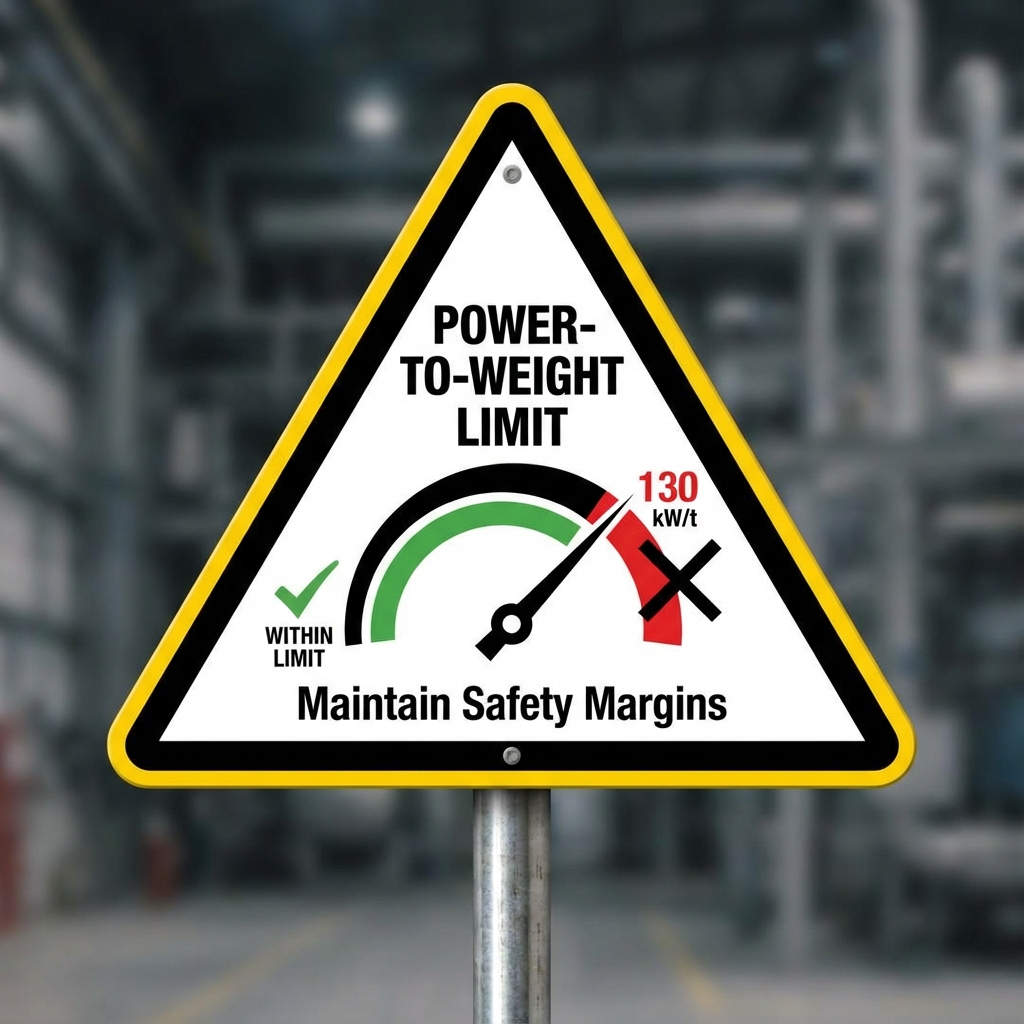
The Limit: You cannot drive a vehicle with a power-to-weight ratio greater than 130 kilowatts per tonne (kW/t).
How It Is Calculated
The government uses a specific formula to ensure fairness. It isn’t based on your opinion or a dyno sheet; it’s based on the manufacturer’s compliance plate specifications.
$$ \text{PWR} = \frac{\text{Maximum Engine Power (kW)}}{\text{Tare Mass (tonnes)}} $$
Note on Tare Mass: This is the unladen weight of the vehicle with 10 liters of fuel. This is different from “Curb Weight” (full tank) or “Dry Weight” (no fluids).
Example Calculation
Let’s look at a popular car, the Subaru WRX (2014).
- Power: 197 kW
- Tare Mass: ~1,350 kg (1.35 tonnes)
Calculation: $197 / 1.35 = \mathbf{145.9 kW/t}$
Result: 🔴 ILLEGAL. This car exceeds the 130 kW/t limit.
Now, let’s look at the Toyota 86 (2015).
- Power: 147 kW
- Tare Mass: ~1,250 kg (1.25 tonnes)
Calculation: $147 / 1.25 = \mathbf{117.6 kW/t}$
Result: 🟢 LEGAL. This car is under the limit and arguably just as fun in the corners.
The LAMS Scheme (Motorcycles)
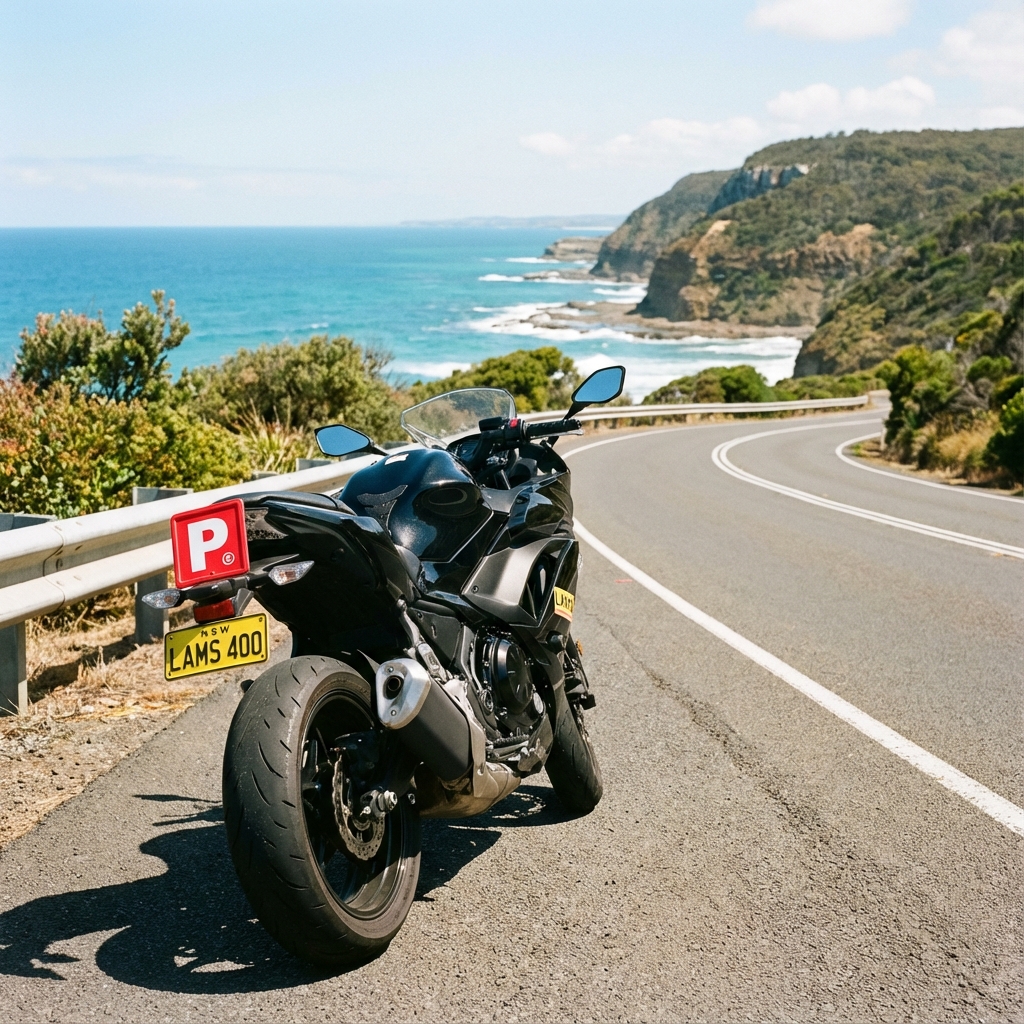
For motorcyclists, the rules are slightly different under the Learner Approved Motorcycle Scheme (LAMS).
The Limits:
- Engine Capacity: Must be 660cc or less.
- Power to Weight: Must not exceed 150 kW/t.
Unlike cars, motorcycles have a printed list of approved models. Even if a bike theoretically fits the math, if it isn’t on the state government’s approved list, you cannot ride it.
Restricted Bikes
Many manufacturers produce “LAMS” versions of their bigger bikes (e.g., Yamaha MT-07 LA, Kawasaki Z650L). These bikes are factory restricted (via throttle stops or ECU maps) to meet the power limit.
- Warning: Removing the restrictor to unlock “full power” makes the bike illegal for a learner. If you crash, your insurance will likely be void.
Checking Your Vehicle
Before handing over your cash, verify the status of the vehicle.
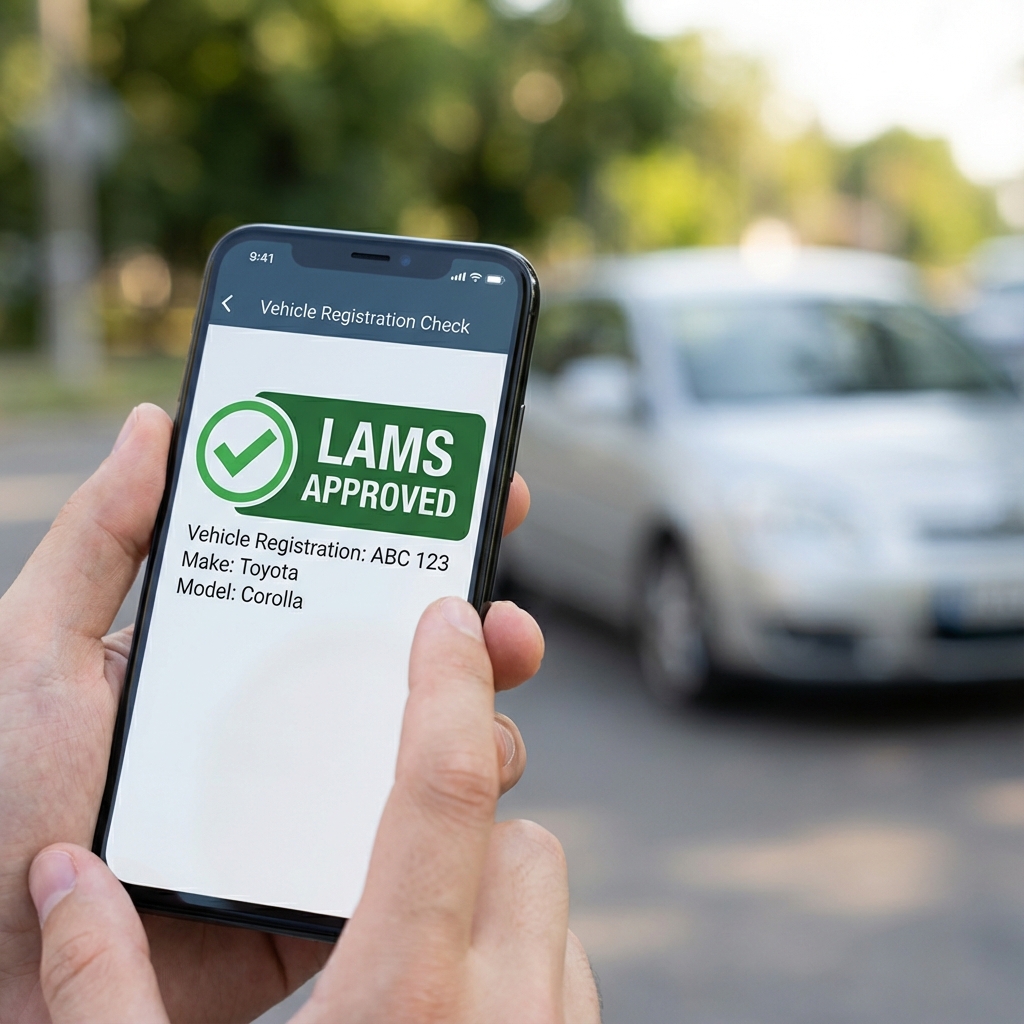
- Transport Dept Website: Every state has a “High Performance Vehicle Check” tool online. Enter the rego or make/model.
- Registration Papers: Look for the “GVM” or “Tare” specs, but don’t rely on your own math if the database says “Banned.”
- Modificatons: The 130 kW/t limit applies to stock vehicles. If you modify a legal car (e.g., adding a turbo to a Honda Civic) and push it over 130 kW/t, it becomes illegal for a P-plater to drive, even if the stock model is approved.
Exemptions
There are rare cases where exemptions apply:
- Business Use: If your employer requires you to drive a high-performance vehicle.
- Personal Circumstances: If you have no other vehicle available and can prove hardship (very difficult to get approved).
Conclusion
The power to weight laws are designed to keep inexperienced drivers safe. 130 kW/t is actually quite generous—it allows for plenty of modern hot hatches and sports coupes that are quick, reliable, and fun. Do your research, check the list, and don’t risk your license (or your life) on a non-compliant vehicle.
? Frequently Asked Questions
What is the power to weight ratio limit for P Platers in QLD?
How is the 130 kW/t limit calculated?
Can I drive a turbo car on my Green Ps?
What does LAMS stand for?
Are modifications allowed on LAMS bikes?

About Azeem Iqbal
We are dedicated to providing accurate tools and information to help you optimize performance and understand power-to-weight metrics.