Power to Weight Ratio in Boats: The Formula for Speed on Water
Marine performance adds a new variable: water drag. Learn why power to weight ratio is critical for getting on plane and maximizing speed on the water.
Azeem Iqbal
Performance Analyst
Power to Weight Ratio in Boats: The Formula for Speed on Water
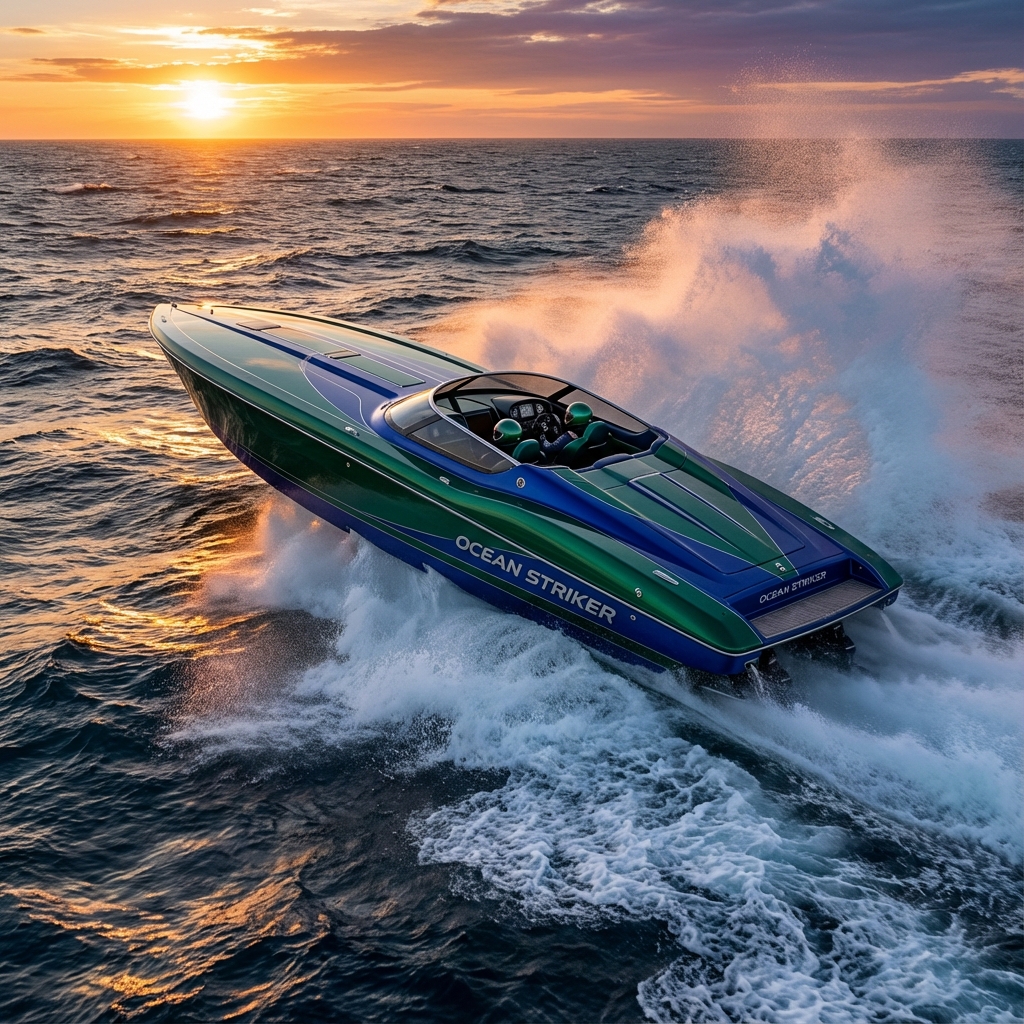
If you think automotive aerodynamics is complicated, try Fluid Dynamics. Moving a vehicle through water is one of the hardest tasks in physics. Water is dense, heavy, and clings to everything it touches.
For boat owners, Power to Weight Ratio isn’t just about top speed; it’s about the ability to “get out of the hole” (accelerate) and get the boat on plane.
The Water Barrier
Unlike a car, which rests on top of the road, a boat sits in the medium it travels through.
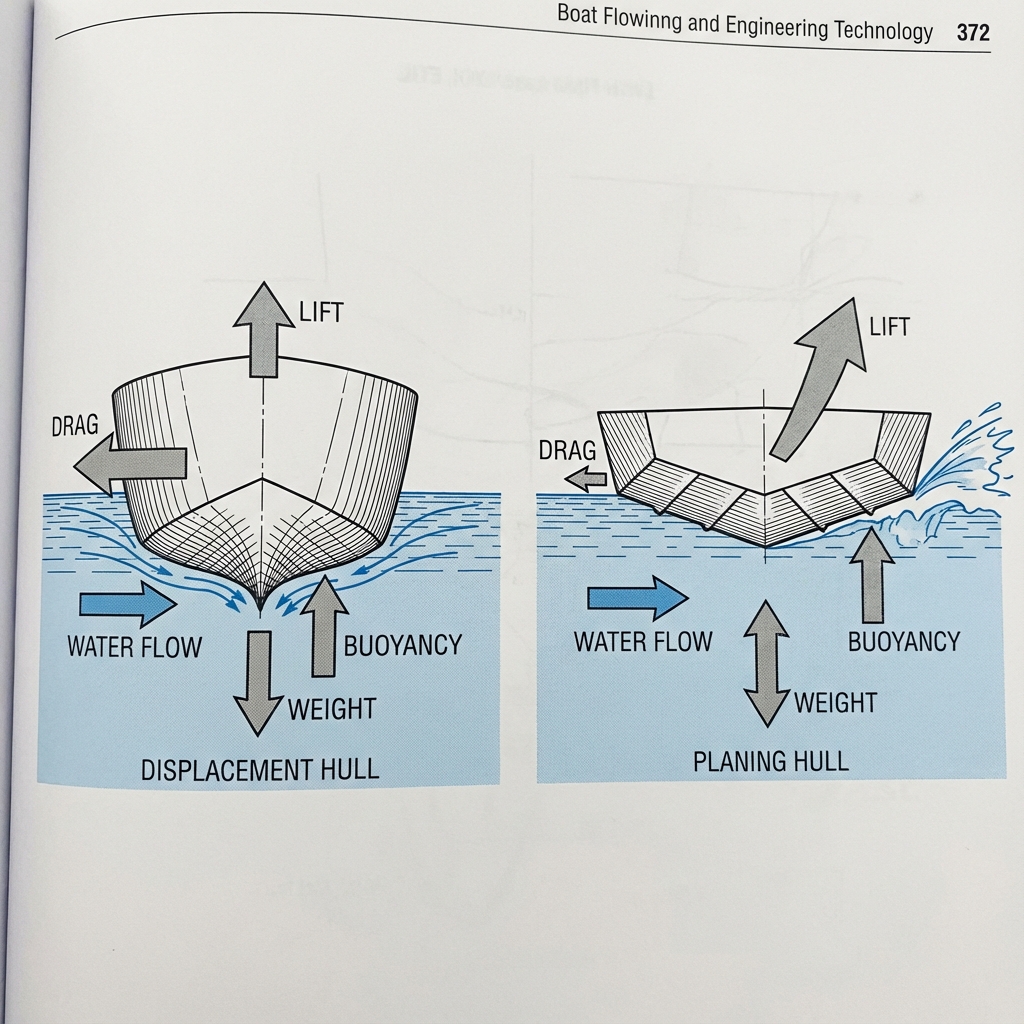
- Displacement Mode: At low speeds, the boat pushes water aside. The heavier the boat, the more water it must displace. Resistance is massive.
- Planing Mode: With enough power (and speed), the hull generates lift. It climbs on top of the bow wave and skims the surface. Resistance drops dramatically.
The Threshold: You need a specific Power to Weight Ratio just to overcome the “hump” speed and get on plane. If your boat is too heavy or underpowered, it will just plow water, burning massive amounts of fuel without gaining speed.
Calculating Performance
The formula is similar to cars: $$ \text{HP/lb} = \frac{\text{Horsepower}}{\text{Total Weight}} $$
Total Weight is critical here. In a car, adding 3 passengers (500 lbs) to a 4,000 lb vehicle is a 12% increase. In a light 1,500 lb flats skiff, adding the same passengers is a 33% increase. Weight sensitivity in small boats is extreme.
General Benchmarks
- 1 hp per 25-40 lbs: Pontoons, sailboats, trawlers (Displacement speeds).
- 1 hp per 15-20 lbs: Family runabouts, deck boats (Planable, 30-40 mph).
- 1 hp per 8-12 lbs: Performance day boats, ski boats (45-60 mph).
- 1 hp per < 6 lbs: Bass boats, offshore racers, hydroplanes (70+ mph).
Outboard vs Inboard
The shift in the marine industry toward Outboards is largely a Power-to-Weight story.
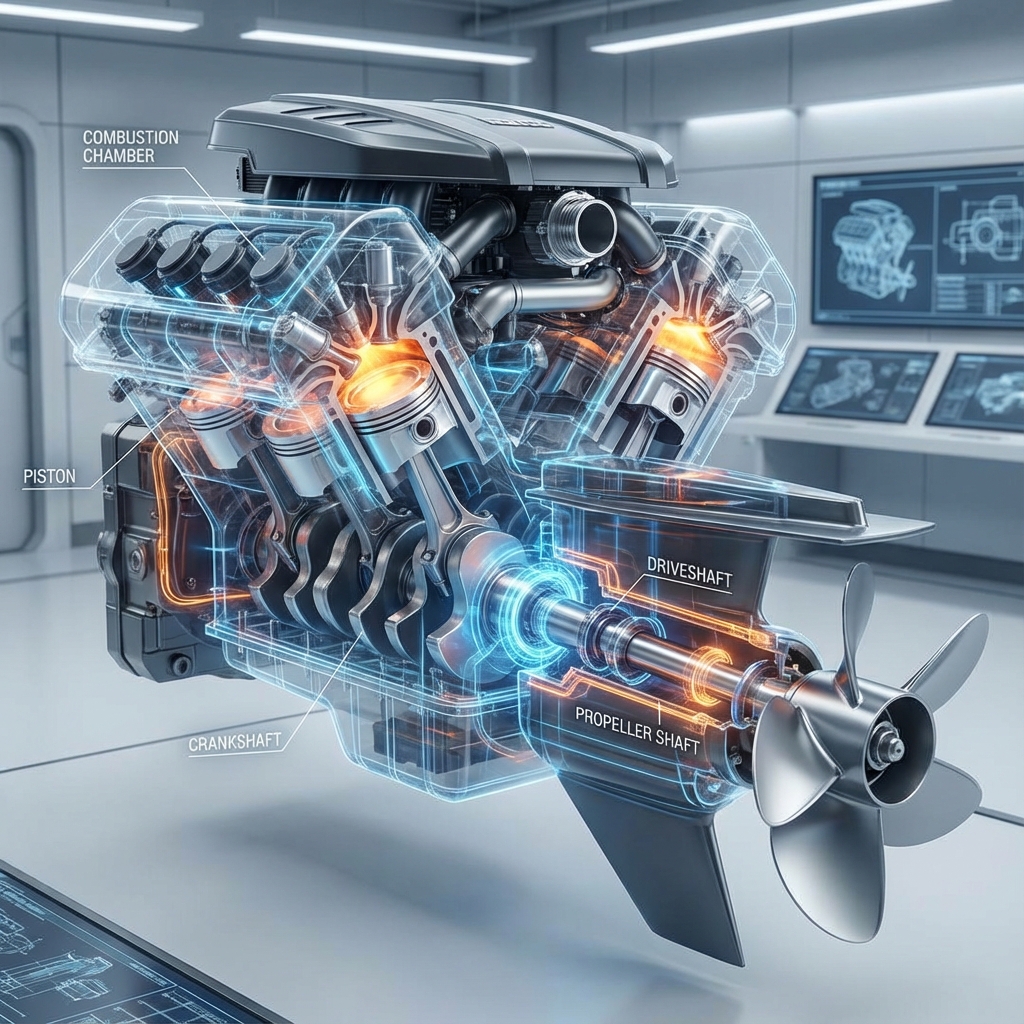
- Inboard (Sterndrive): Heavy automobile engine block inside the hull. Heavy outdrive.
- Outboard: Purpose-built lightweight alloy powerhead. Directly mounted to the transom.
A triple-outboard setup might produce 900 hp and weigh 2,000 lbs less than a twin-inboard setup producing the same power. That weight savings translates directly to speed and draft (how shallow the boat can float).
Propellers: The Transmission
In boats, you don’t have a gearbox. You have a Propeller. The “Pitch” of the prop acts like the gear ratio.
- Lower Pitch: Better hole shot (acceleration), acts like 1st gear.
- Higher Pitch: Better top speed, acts like 5th gear.
If your power-to-weight ratio is poor (heavy boat), you must prop down to even get moving. If you have a high PWR, you can spin a big pitch prop and achieve incredible speeds.
Conclusion
On the water, weight is the enemy of fun. A heavy boat drafts deeper, burns more fuel, and struggles to plane. A light boat with the same power is lively, efficient, and fast. When shopping for a boat, look closely at the “Dry Weight” vs “Wet Weight” and ensure you have the ponies to lift that hull out of the water.
? Frequently Asked Questions
How is power to weight calculated for boats?
What is a "Planing" hull?
Do outboard engines offer better power-to-weight?
What is a good power to weight ratio for a bass boat?
Why are boats slower than cars with the same power?

About Azeem Iqbal
We are dedicated to providing accurate tools and information to help you optimize performance and understand power-to-weight metrics.