The EV Weight Problem: Power to Weight in Electric Cars
Electric cars have instant torque and massive horsepower, but they also have a weight problem. We explore the physics of EV performance.
Azeem Iqbal
Performance Analyst
The EV Weight Problem: Power to Weight in Electric Cars
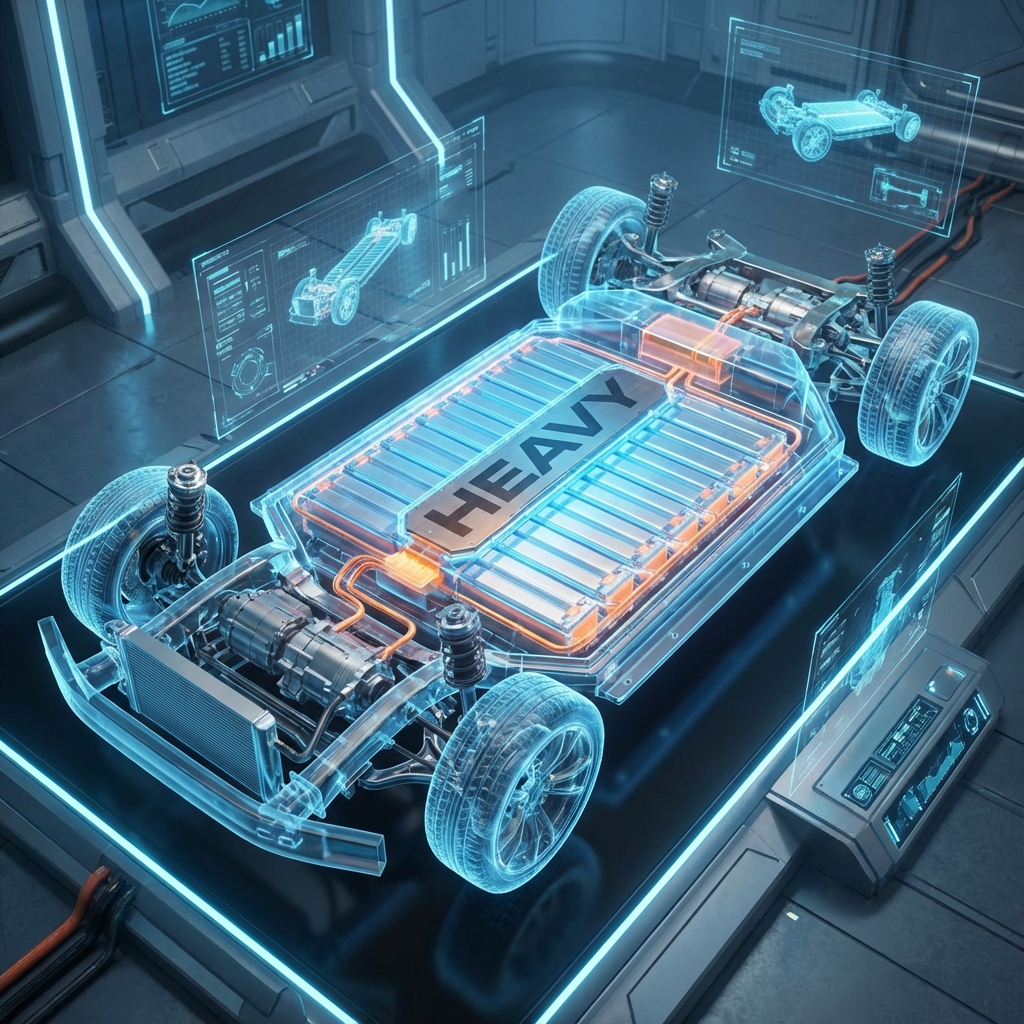
The electric vehicle (EV) revolution has redefined performance. Family sedans are now outrunning supercars from the 90s. But there is an elephant in the room—or rather, a hippo in the trunk. Electric cars are heavy.
While a Lotus Elise weighs 2,000 lbs, a GMC Hummer EV weighs over 9,000 lbs. How does this massive weight affect the all-important Power to Weight Ratio, and why does it feel different behind the wheel?
The Density Dilemma
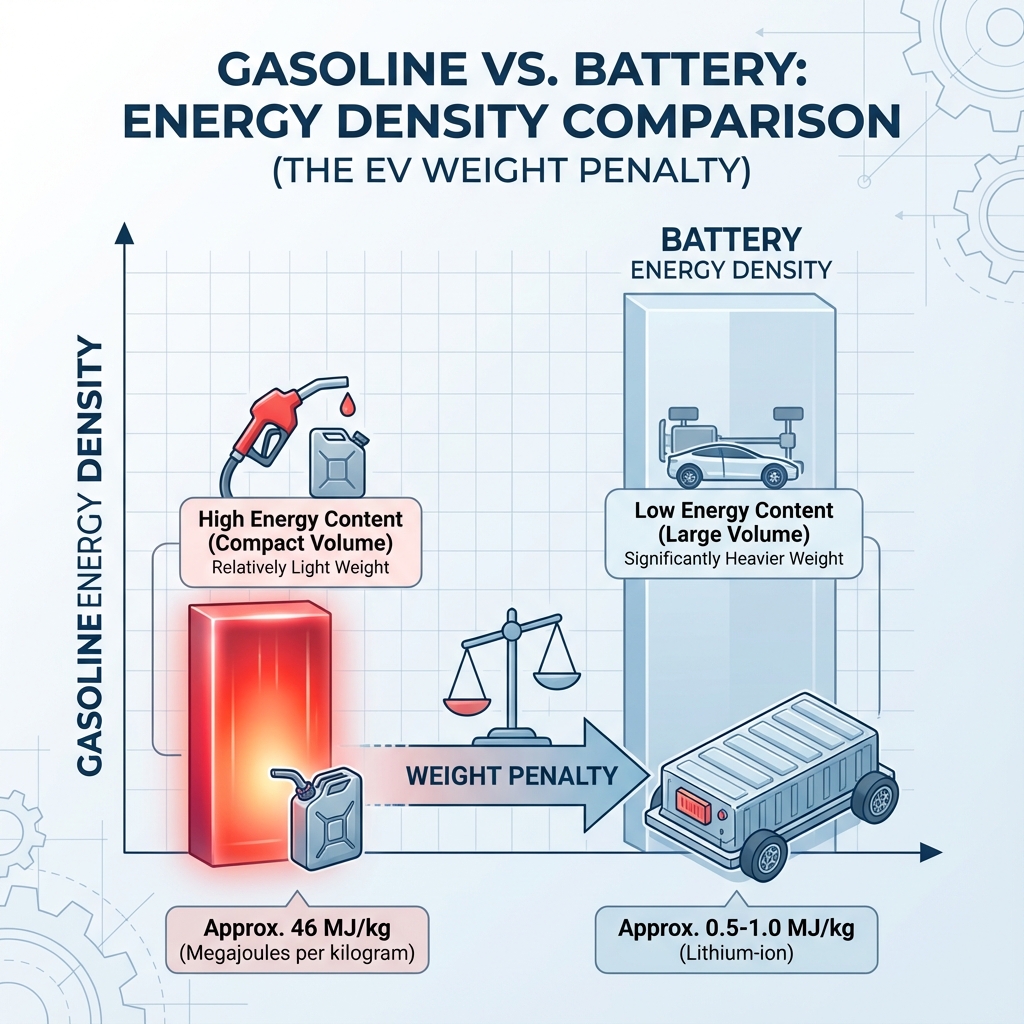
The root cause is Energy Density.
- Gasoline: Extremely energy-dense. 1 gallon of gas (6 lbs) holds enough energy to move a car 30 miles.
- Batteries: Heavy and inefficient (by comparison). To store the same amount of useful energy, you need hundreds of pounds of Lithium-Ion cells.
This means that to build an EV with a usable range, you essentially have to build a tank.
The Saving Grace: Instant Torque
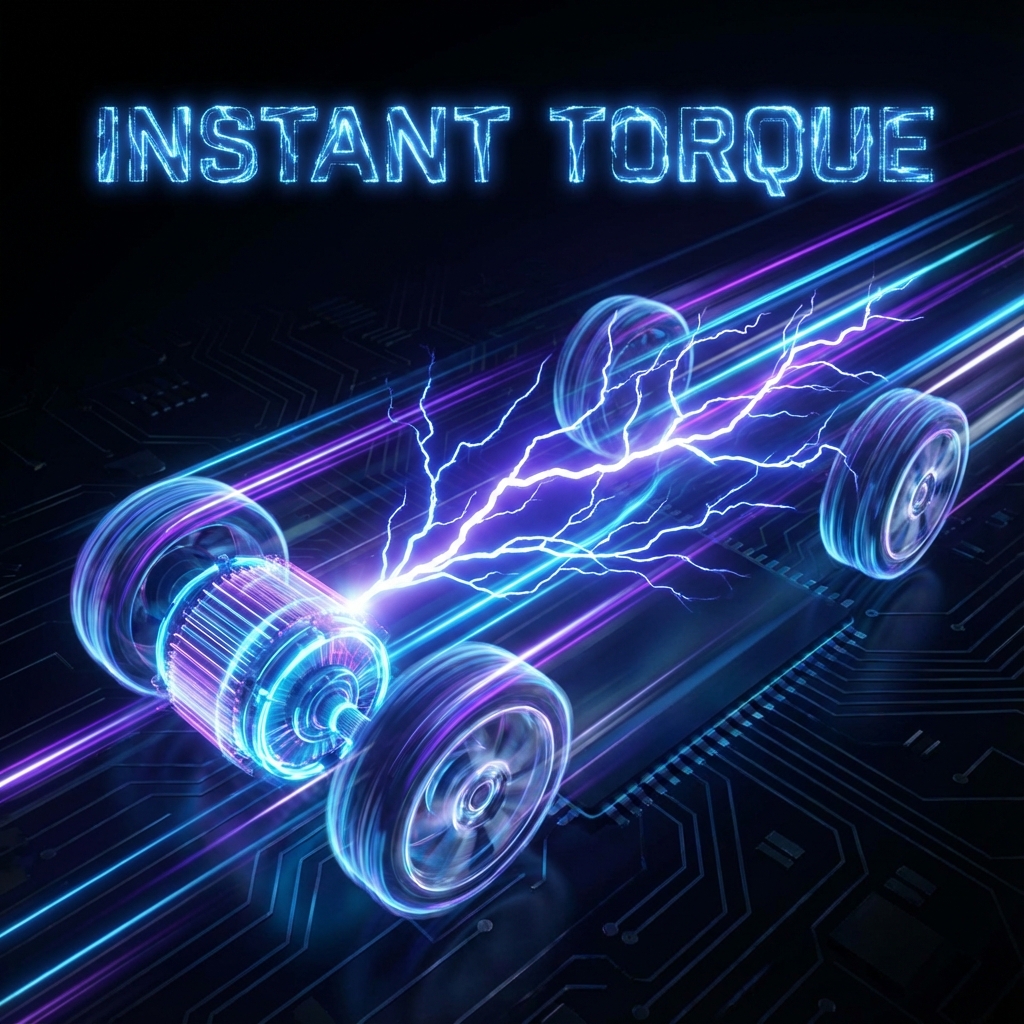
If EVs are so heavy, why are they so fast? Internal Combustion Engines (ICE) need to rev up to make power. They have a “power band.” Electric Motors make Maximum Torque at 0 RPM.
This “Instant Torque” hits the tires immediately. There is no waiting for downshifts, no waiting for turbos to spool. It effectively masks the weight of the vehicle during city driving and launching.
Comparison:
- BMW M3 (Gas): 503 hp / 3,900 lbs = 257 hp/ton
- Tesla Model 3 Perf (EV): 510 hp / 4,050 lbs = 251 hp/ton
On paper, they have similar PWR. In reality, the Tesla jumps ahead instantly because it accesses that power faster, even though it is heavier.
Where Weight Hurts
You can mask weight with power in a straight line, but you cannot hide it in a corner. Inertia is a cruel mistress.
- Tires: Heavy EVs chew through tires up to 30% faster than gas cars.
- Braking: Stopping 5,000 lbs requires massive brakes and generates immense heat.
- Handling: While EVs have a low Center of Gravity (batteries in the floor), the sheer mass pushes the car wide in fast corners (understeer).
Conclusion
Electric vehicles prove that you can brute-force physics with enough horsepower. They have incredible Power-to-Weight ratios despite the “Weight” part of the equation being high. As battery technology improves (solid-state), we may finally see EVs that are both powerful and light—and that is a terrifying prospect for the gas engine.
? Frequently Asked Questions
Why are electric cars so heavy?
Does the extra weight make EVs slow?
What is the power to weight ratio of a Tesla Model S Plaid?
Will solid-state batteries fix the weight issue?
How does regenerative braking help with weight?

About Azeem Iqbal
We are dedicated to providing accurate tools and information to help you optimize performance and understand power-to-weight metrics.